3 Smart Home Myths That Need to Die
The Truth About Apps, DIY Gadgets, and Wi-Fi "Fixes"
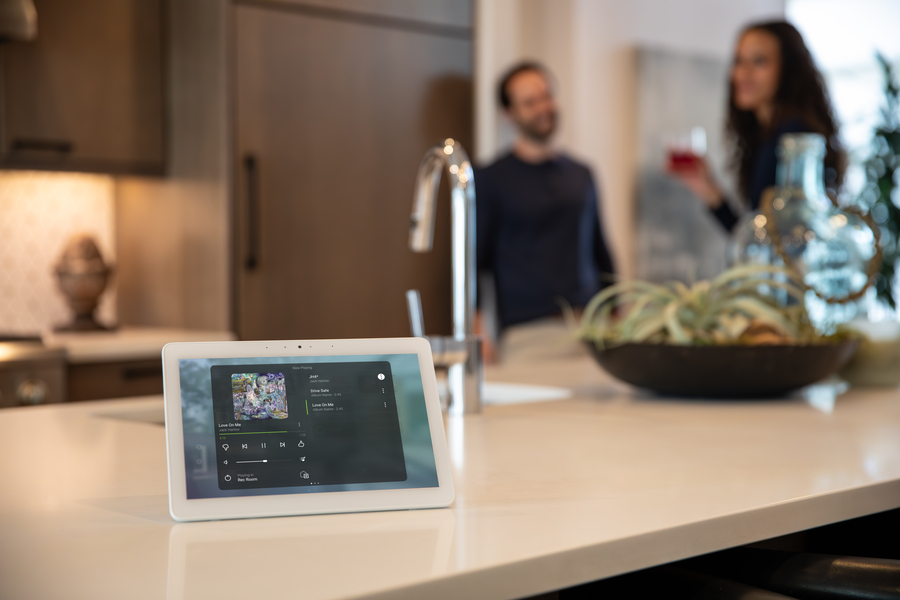
Smart homes have come a long way from the days of novelty gadgets and clunky voice assistants. Yet some myths refuse to disappear.
The problem? These misconceptions often lead homeowners down paths that create a lot of frustration instead of convenience.
Whether you're building a new home, remodeling, or looking to fix your current smart home experience, let's clear up a few myths once and for all.
Myth #1: More Apps = A Smarter Home
At first glance, it seems logical.
One app for the thermostat. Another for lighting. A third for security cameras. One more for shades. Maybe another for audio.
Before long, you've got six apps on your phone just to operate your house.
That's not smart. That's homework.
A well-designed smart home brings technology together under one system. Instead of bouncing between apps, you control lighting, shades, music, security, and climate from a single interface.
Think of it this way: your smartphone consolidated your camera, GPS, calculator, and MP3 player. Smart homes should work the same way: everything in one place. Simpler control creates a better experience.
During new construction or a home renovation, planning for integration from the beginning makes everything easier to use for years to come.
Myth #2: DIY Is Always Cheaper
DIY smart devices can absolutely serve a purpose. A video doorbell or smart plug is a great way to dip your toe into home automation.
But once you start connecting dozens of devices throughout a luxury home, things get complicated quickly.
We've seen homeowners invest in:
- Multiple smart speakers
- Smart switches from different manufacturers
- Several camera systems
- Various streaming and audio platforms
- Different apps for every room
Individually, each purchase seems affordable. But together, they often cost more than expected while delivering a less reliable experience.
It's similar to remodeling a kitchen. Installing one cabinet is simple. Coordinating cabinetry, plumbing, electrical, appliances, lighting, floor tiling, and finishes is another story.
During construction or a renovation, wiring, networking, audio, lighting, and future expansion can all be planned before drywall goes up. For retrofit projects, we can often simplify an existing setup and make disconnected technology work together more effectively.
Myth #3: Wi-Fi Extenders Fix Everything
This one might be our favorite. When internet coverage struggles, many homeowners buy a Wi-Fi extender and hope for the best.
Sometimes it helps. Sometimes it creates an entirely new set of problems.
The issue is that many smart home performance problems aren't caused by weak Wi-Fi alone. They're caused by network design. Imagine building a luxury home and using extension cords instead of installing enough electrical outlets. That's essentially what happens when people keep stacking Wi-Fi extenders throughout the house.
A properly designed network uses strategically placed access points, hardwired connections where appropriate, and infrastructure designed to support dozens (or even hundreds) of connected devices. This way, your music streams reliably, cameras stay connected, and your smart home actually feels smart.
Smart Homes Work Best When They're Planned
The most successfully connected homes aren't filled with the most gadgets. They're thoughtfully designed around how people actually live. The best smart home is the one you barely have to think about, where technology fits naturally into the background of your life. Don’t want to look at any screens to control your house? You don’t have to. Tasteful wall keypads with custom commands are often all you need.
Experience the Difference for Yourself
Reading about smart home technology is one thing. Seeing it work in person is another.
Visit the Lynn's Audio Video showroom and explore integrated lighting, audio, networking, security, and automation solutions firsthand. You'll quickly discover the difference between a collection of gadgets and a truly automated home.
